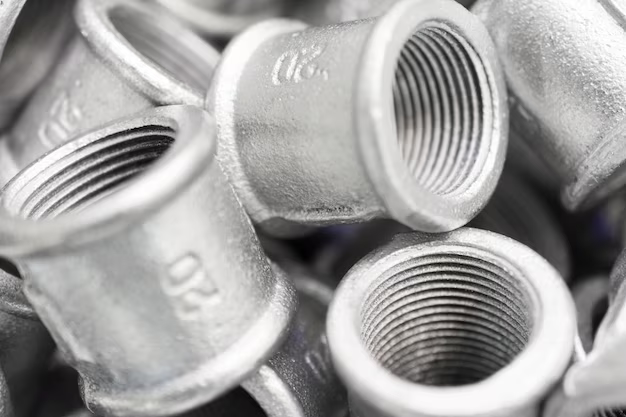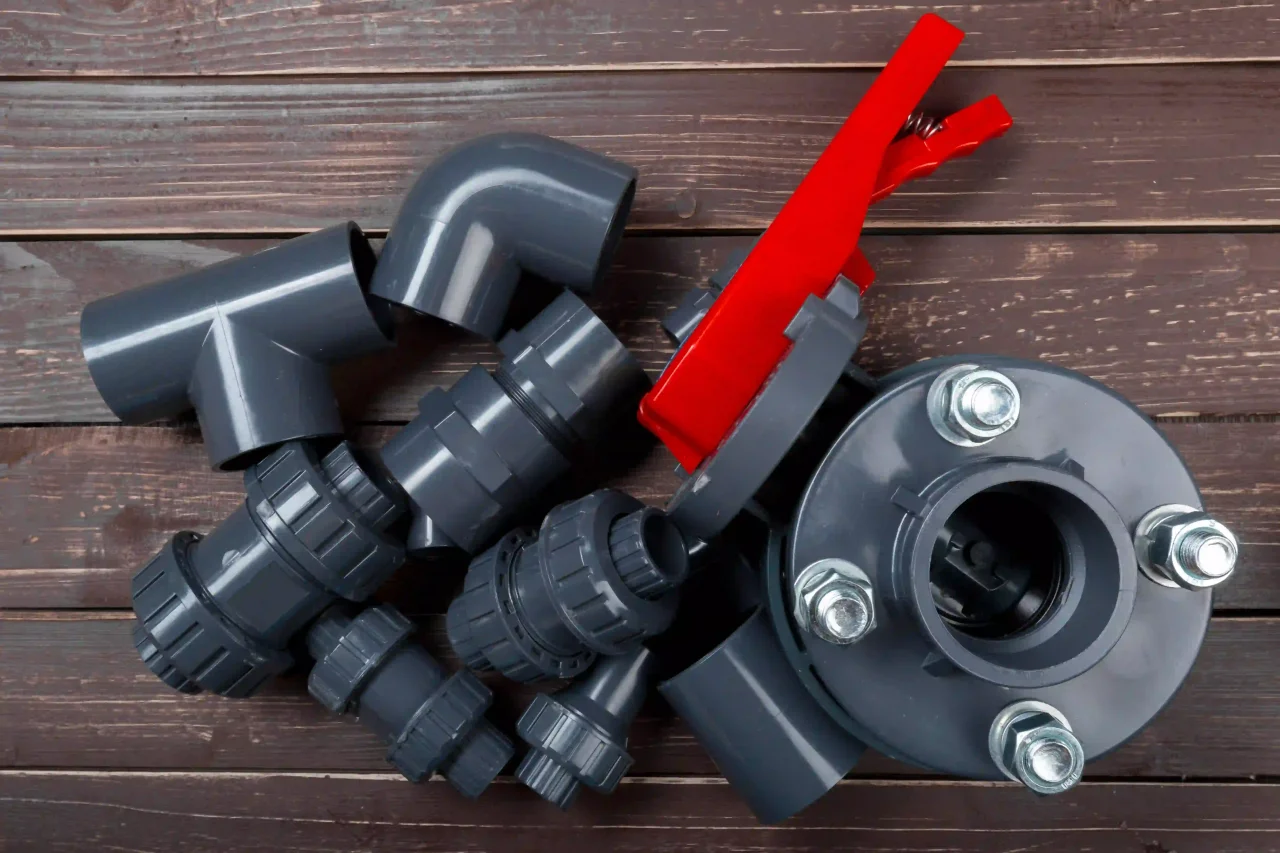
Pipe fittings rarely get the attention pipes and valves do, but they move through the same tender channels — and often in far larger unit counts. Every pipeline, every water scheme, every refinery turnaround that specifies pipe also specifies elbows, tees, reducers, couplings, and flanges to go with it. For a fittings manufacturer, that means tender demand is almost never a standalone opportunity; it rides alongside pipe and valve procurement, which makes it both predictable and, if you’re not watching the right categories, easy to miss entirely.
Fittings Demand Is Derivative — and That’s Exactly Why It’s Steady
Because fittings are rarely bought in isolation, their tender volume tracks closely with broader infrastructure and industrial spending. Wherever a water board is laying pipeline, a refinery is doing turnaround maintenance, or an EPC contractor is building out plant piping, there’s a corresponding fittings requirement specified in the same tender or a closely linked one. This derivative nature is actually an advantage for manufacturers who track it well: fittings tenders are less prone to the boom-bust cycles of standalone capital projects, because they’re tied to ongoing maintenance and replacement cycles as much as to new construction.
The Buyer Categories Fittings Manufacturers Should Be Watching
Oil and gas PSUs are consistent large-volume buyers of fittings for refinery piping, pipeline tie-ins, and plant maintenance, typically specifying forged or butt-weld fittings to ASTM or API standards with strict material traceability requirements. Water and irrigation departments issue fittings tenders alongside their pipe procurement — bends, tees, and couplings for distribution networks — usually to IS standards. Power sector projects specify fittings for cooling water systems and plant piping, often bundled into larger piping-package tenders rather than standalone fittings bids. And EPC contractors executing industrial plant construction represent a fourth category, frequently issuing fittings tenders as part of a broader mechanical scope rather than in isolation — which means a fittings manufacturer monitoring only “fittings” as a search term, rather than the full range of project-level tenders that mention fittings as a line item, can miss a meaningful share of relevant opportunities.
Why Fittings Tenders Get Overlooked More Than Pipes or Valves
Fittings sit in an awkward spot for manual tender tracking. They’re often bundled into larger piping-package tenders rather than issued as standalone bids, which means a manufacturer searching government portals for “pipe fittings” specifically will miss tenders where fittings appear as a sub-line within a pipeline or plant construction tender. This bundling problem is one of the main reasons fittings manufacturers report seeing fewer tender opportunities than pipe or valve manufacturers do — not because the demand is smaller, but because it’s structurally harder to find without a system built to surface it.
A Categorised View Solves the Bundling Problem
Enggpro’s approach to this is to list fittings as its own trackable category within the broader tender dataset, rather than requiring a manufacturer to parse every pipeline or plant-construction tender manually for fittings line items. The platform’s Indian tender listings track over 133,995 live bids across 28 engineering categories, with a dedicated Fittings category alongside closely related Pipe and Flange categories — letting a manufacturer cross-reference all three rather than relying on a single narrow search term and hoping nothing relevant slips through.
For manufacturers exporting or serving international EPC clients, global fittings tenders open a separate, often less-saturated pipeline of infrastructure and plant-construction demand from the Middle East, Africa, Southeast Asia, and other regions where domestic-focused Indian manufacturers rarely have visibility.
Direct RFQs Fill the Gaps a Tender Search Misses
Beyond formal tenders, private buyers and smaller contractors frequently post direct requirements for fittings — forged fittings and pipe fittings among the searchable categories on Enggpro — that move faster than a government tender cycle and don’t require navigating a bundled piping-package bid. For a manufacturer trying to fill production capacity between larger tender wins, this RFQ channel is often the more immediately actionable one.
What Buyers Actually Check Before Awarding a Fittings Tender
Material grade and traceability are usually the first filter — ASTM A105, A234, or equivalent, with mill test certificates required as standard documentation, not an optional extra. Beyond that, buyers typically check manufacturing process (forged versus fabricated), dimensional standard (ANSI B16.9, B16.11), and any third-party inspection requirement (TPI from an agency the buyer specifies). None of this is unusual for an established fittings manufacturer to meet — but confirming it against the specific tender’s requirements takes time that’s only available if the tender was spotted early.
Building a Fittings Tender Pipeline That Doesn’t Rely on Luck
The practical fix for the bundling problem isn’t searching harder on existing portals — it’s using a system that already categorises fittings as a distinct, trackable line. Enggpro’s supplier registration gives fittings manufacturers a categorised feed of both standalone and project-bundled tender opportunities alongside direct buyer RFQs, with the For Suppliers page explaining how matching works.
Frequently Asked Questions About Fittings Tenders in India
Why do fittings tenders seem less visible than pipe or valve tenders?
Fittings are often bundled into larger pipeline or plant-construction tenders rather than issued as standalone bids, which makes them easy to miss when searching government portals with a narrow keyword like “fittings” alone.
What standards are most commonly specified in Indian fittings tenders?
ASTM A105 and A234 are common for forged carbon steel fittings, with IS standards used for water infrastructure projects. The applicable standard depends heavily on the buyer and end-use. Oil and gas tenders typically specify ASTM/API, while municipal water tenders lean toward IS.
Do fittings manufacturers need separate certification from pipe manufacturers?
Often yes. Fittings certification tends to focus on forging quality, dimensional standards (ANSI B16.9/B16.11), and material traceability, which is a distinct qualification path from pipe manufacturing certification even though both products ship together on the same project.
Are fittings tenders usually smaller in value than pipe tenders?
Not necessarily. Fittings line items in a large pipeline or plant tender can represent substantial value, even though fittings themselves are smaller individual units. Bundled tenders often make fittings value harder to estimate from the tender title alone.
Is it worth tracking both Indian and global fittings tenders?
For manufacturers with export certification and capacity, yes. Global EPC and infrastructure tenders represent demand that’s structurally separate from, and often less competitive than, the domestic Indian market.
If you manufacture pipe fittings and want a categorised view of live Indian and global tenders instead of parsing bundled piping tenders manually, you can browse current fittings tenders on Enggpro or register as a supplier to start receiving matched opportunities.