Introduction
Industrial valves are a small line item on a project BOM but a high-consequence one — the wrong valve for the application means leaks, downtime, or safety risk. With hundreds of valve manufacturers across India, the challenge for procurement teams isn’t finding suppliers, it’s comparing them on the factors that actually matter. This guide walks through what to check before you commit to a manufacturer.
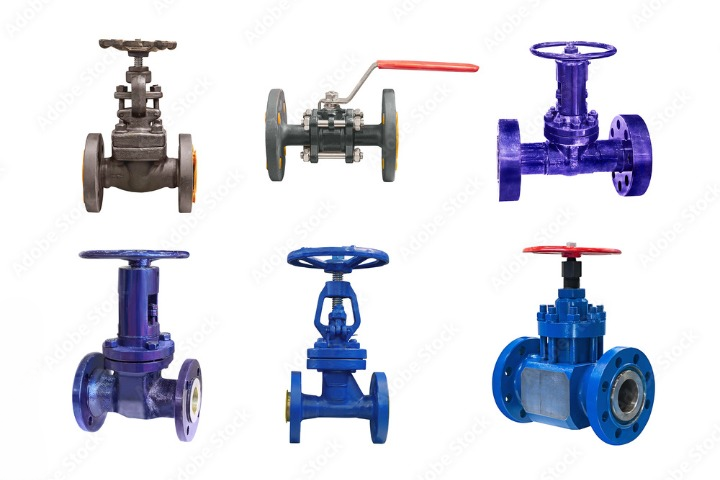
Common Valve Types and Where They’re Used
- Gate valves — on/off isolation in pipelines, water and wastewater, oil & gas
- Globe valves — flow regulation where throttling control matters
- Ball valves — quick shut-off, widely used across process industries
- Butterfly valves — large-diameter lines, compact footprint, lower cost
- Check valves — preventing backflow in pumping systems
- Safety/relief valves — pressure protection in boilers, pressure vessels, and process systems
Matching valve type to application is the starting point — material and standard selection follow from there.
Materials and Standards to Check
Valve body material depends on the medium, pressure, and temperature involved — common options include carbon steel, stainless steel (304/316), alloy steel, and cast iron for lower-pressure applications. Beyond material, confirm the manufacturer works to relevant standards for your project: API, ASME, BS, or DIN depending on the industry and end client requirements. A manufacturer unfamiliar with the standard your project specifies is a red flag, not a minor gap.
What to Evaluate in a Manufacturer
- In-house testing capability — hydrostatic and pressure testing on-site means faster turnaround and more reliable quality documentation
- Certifications — ISO certification at minimum; API/PED certification for export or specialized projects
- Track record with your industry — oil & gas, power, chemical, and water treatment projects each have different compliance and documentation expectations
- Lead time and capacity —ask for typical delivery timelines against your project size, not just a generic quote
- After-sales support — spare parts availability and service support matter over the valve’s operating life, not just at purchase
Red Flags When Comparing Quotes
- Prices significantly below market average with no clear explanation (material substitution is common here)
- No willingness to share test certificates or material traceability documentation
- Vague answers on standards compliance for your specific application
Typical Specifications and Cost Factors to Discuss Upfront
Valve pricing varies widely, but a few factors consistently drive cost and are worth clarifying before you compare quotes line by line:
- Size and pressure class — larger sizes and higher pressure classes (Class 300, 600+) cost more due to heavier body construction and more demanding material requirements
- Material grade — stainless steel and alloy valves cost significantly more than carbon steel for the same size and class
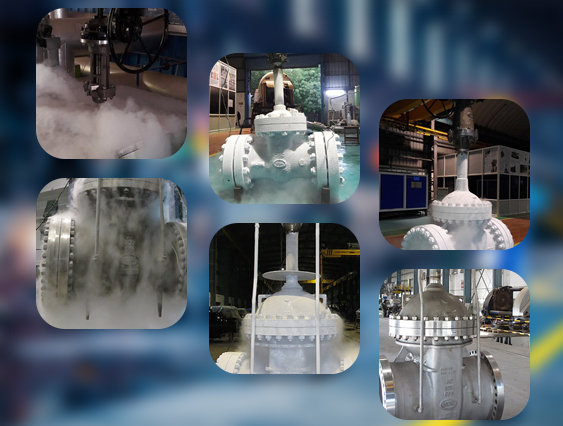
- Special certifications — fire-safe certification, cryogenic service, or sour service (NACE MR0175) compliance add cost due to additional testing and material requirements
- Actuation — manual valves are the baseline; pneumatic or electric actuation adds meaningful cost and lead time
- Order volume — as with most industrial components, per-unit pricing improves at higher volumes, so share your realistic annual or project volume when requesting quotes rather than pricing a single unit in isolation
Asking a manufacturer to break down pricing by these factors, rather than accepting a single bottom-line number, makes it much easier to compare quotes from different suppliers on an apples-to-apples basis.
Quick Glossary of Common Valve Terms
-
- CV (Flow Coefficient) — a measure of a valve’s flow capacity at a given pressure drop; higher CV means less resistance to flow
- Seat — the surface the valve’s closing element presses against to create a seal
- Bonnet — the valve component that houses the stem and connects it to the body
- Actuator — the mechanism (manual, pneumatic, electric, or hydraulic) that opens and closes the valve
- Fire-safe design — a valve design tested to maintain a degree of sealing integrity even if soft seals are destroyed by fire
- NACE compliance — material requirements for valves used in sour (H₂S-containing) service, per NACE MR0175/ISO 15156
Frequently Asked Questions
How do I verify a valve manufacturer is genuine?
Check for ISO certification, ask for recent client references in your industry, and request material test certificates (MTCs) for past supplied batches.
What’s the difference between cast and forged valves?
Forged valves generally offer higher strength and are used for higher-pressure applications; cast valves are more common for larger sizes and lower-pressure uses. The right choice depends on your specific pressure and size requirements.
How long does a typical industrial valve order take?
This varies widely by valve type, size, and customization. Get a specific timeline from the manufacturer against your exact specification rather than relying on general estimates.
Source Verified Valve Manufacturers on Enggpro
Rather than vetting manufacturers one by one, post your valve requirement on Enggpro and receive quotes from verified suppliers, or browse live valve RFQs and tenders to see current market activity.